
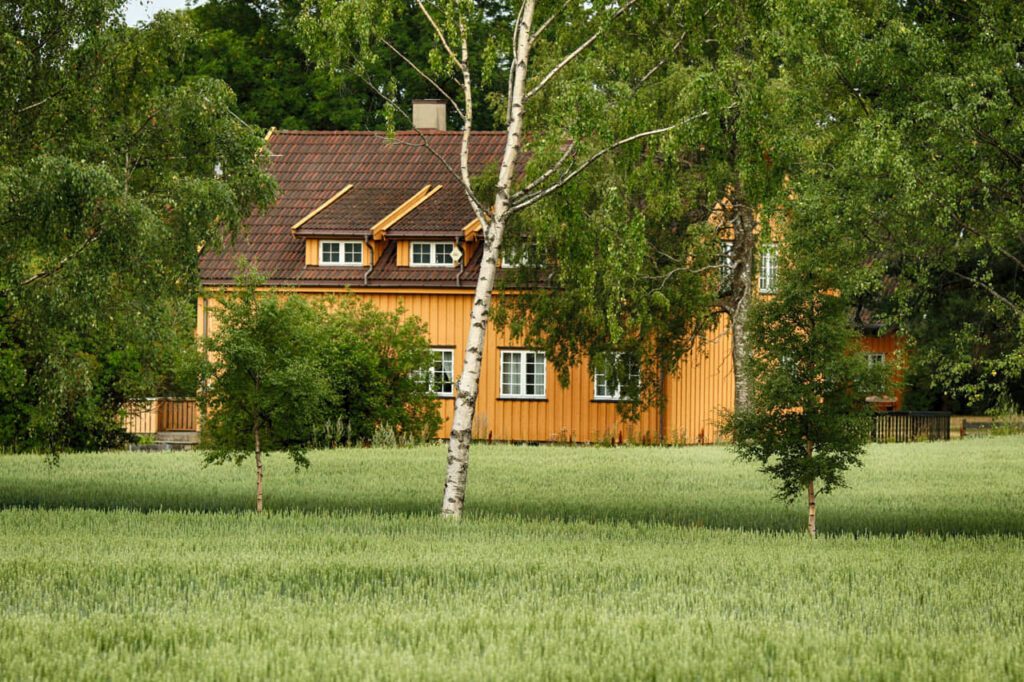
Your home isn’t like the one three miles down the road. In Lancaster County, that’s almost always true. A 200-year-old stone farmhouse in Strasburg faces completely different comfort challenges than a 2019 colonial in a Manheim Township development. A converted barn in Ephrata needs different solutions than a townhome in East Hempfield. Yet most homeowners get the same generic advice regardless of what they actually own, and that mismatch costs them money, comfort, and years of unnecessary frustration.
Lancaster County’s extraordinary diversity of housing stock, from working farm properties and historic conversions to planned developments and everything in between, creates a home comfort landscape unlike anywhere else in Pennsylvania. Understanding how your specific property type shapes your heating, cooling, plumbing, and water needs helps you stop chasing fixes that don’t fit your situation and start investing in solutions that actually work for the home you have.
Lancaster County’s Housing Landscape Is Genuinely Unique
Drive twenty minutes in any direction from downtown Lancaster, and you’ll pass through multiple centuries of construction. Ancient stone farmhouses anchor rural properties that have been subdivided, expanded, and converted across generations. Mid-century ranches cluster in postwar developments still populated by original owners or their children. Brand new construction rises on former farmland along Route 30 and throughout the townships expanding rapidly around the city.
Lancaster County’s housing stock spans more historical periods than almost any comparably sized Pennsylvania county. This diversity creates beauty, character, and community identity. It also creates genuinely different home comfort challenges depending on where you live and what era built your home.
After nearly four decades serving this entire spectrum, Groff’s Home Comfort Team understands something most contractors miss: your zip code and your home’s construction era matter as much as your specific problem when determining the right solution. Generic advice fails Lancaster County homeowners regularly because it ignores the specific context your property creates.
Rural Properties and Farm Homes Face Challenges Developments Never See
If you own a rural property in Lancaster County, you already know your situation differs from neighbors in planned communities. What you might not fully understand is why your comfort systems behave so differently and what that means for how you maintain and upgrade them.
Well Water Creates a Different Starting Point for Everything
Rural Lancaster County properties rely primarily on well water drawn from limestone aquifer systems beneath the county. This water is hard, mineral-rich, and chemically different from municipal water supplies serving developments and borough homes. That difference affects every water-using system in your home.
Your water heater accumulates scale faster than manufacturer estimates assume. Your plumbing develops buildup that restricts flow over years. Your appliances work harder and fail sooner. Your skin and hair notice the difference. And without municipal water treatment infrastructure, your household depends entirely on whatever treatment you install yourself.
Rural homeowners who address water quality proactively, through water softening, filtration, and treatment appropriate to their specific well water chemistry, protect every system in their home simultaneously. Those who don’t continually chase symptoms without fixing the underlying cause.
Propane and Oil Heat: The Rural Fuel Reality
Natural gas lines don’t reach most rural Lancaster County properties. Your heating choices involve propane, heating oil, geothermal, heat pump systems, or wood. Each fuel creates specific maintenance requirements, cost patterns, and comfort characteristics that developments running natural gas simply don’t face.
Propane systems require tank management, delivery scheduling, and price monitoring that gas customers never think about. Oil systems need annual burner service and fuel quality attention. Geothermal systems involve ground loop maintenance that most HVAC contractors lack experience servicing properly. Rural homeowners manage complexity that their suburban counterparts never encounter.
The good news: rural properties often have space and structural characteristics that make geothermal and heat pump systems genuinely attractive. Large lots accommodate horizontal ground loops. Sturdy construction handles equipment demands. The investment makes more sense when you’re comparing against propane or oil prices rather than natural gas.
Outbuildings, Barns, and Structures With Their Own Demands
Many rural Lancaster County properties include outbuildings that function as workshops, studios, garages, or additional living space. These structures often lack proper insulation, adequate electrical service, and appropriate heating for how they’re actually used. Heating a converted barn workshop with a portable propane heater creates both comfort problems and safety risks. Running a woodworking studio off an extension cord limits what you can do and creates a fire hazard.
Properly servicing rural properties means understanding the full scope of what you’re managing, not just the main house. Groff’s Home Comfort Team has worked across Lancaster County’s rural landscape long enough to recognize these extended needs and help homeowners address them comprehensively.
Farm Conversions: When Historic Character Meets Modern Expectations
Lancaster County contains hundreds of properties where historic agricultural structures have been converted to residential use. Farmhouses expanded with additions across decades. Barns transformed into stunning living spaces. Tenant houses updated for modern families. Stone spring houses converted to offices or studios.
These conversions create unique comfort challenges that neither historic home expertise nor new construction knowledge fully addresses alone.
The Insulation Gap in Converted Agricultural Structures
Agricultural buildings were never designed for residential comfort. Barns relied on animal heat and straw bedding. Spring houses used groundwater temperatures for cooling. These structures have minimal insulation, maximum air infiltration, and thermal characteristics completely unsuited to year-round comfortable living without serious intervention.
Converted properties often receive cosmetic finishes over structural shells that retain original thermal performance. The result looks modern but feels uncomfortable. Heating bills shock new owners. Rooms that feel fine in mild weather become unbearable in temperature extremes. HVAC systems sized for the finished square footage fail to account for the thermal demands of inadequately insulated shells.
Addressing comfort in converted structures requires honest assessment of building envelope performance before specifying equipment. Insulation, air sealing, and window improvements often deliver more comfort improvement per dollar than equipment upgrades in these properties.
Ductwork in Spaces Never Designed for It
Converted barns and farmhouses present ductwork routing challenges that standard construction never creates. Open timber frames. Stone walls. Irregular floor plans. Ceiling heights that make sense aesthetically but complicate mechanical distribution. Rooms added in different eras with different ceiling heights and construction methods.
Ductless mini-split systems often provide the most practical comfort solution for converted structures. Individual air handlers serve specific zones without requiring duct runs through spaces that can’t accommodate them. Heating and cooling performance improves dramatically without the installation compromises that forced ductwork creates in difficult structures.
Newer Developments Face Different but Equally Real Problems
If you purchased a home in one of Lancaster County’s newer developments, you might assume your systems are fine because everything is recent. That assumption leaves many development homeowners surprised and frustrated when problems appear years sooner than expected.
Builder-Grade Equipment Has Predictable Limitations
Developments built for sale, not long-term owner occupation, typically feature builder-grade mechanical systems selected for initial cost rather than longevity or efficiency. These systems meet code requirements and perform adequately when new. They also reach the end of their useful lives 3 to 5 years sooner than premium equipment and consume more energy throughout their operating lives.
Homeowners who purchased development homes 8 to 12 years ago are now discovering that original HVAC systems need replacement. Those who understand what they have can plan and budget appropriately. Those who don’t get surprised by failures at inconvenient times.
Duct Systems Designed for Speed, Not Performance
Development construction prioritizes build speed. Ductwork gets installed according to minimum standards, often with layouts that distribute air adequately in mild weather but struggle during temperature extremes. Hot upstairs bedrooms in summer. Cold rooms far from the air handler. Pressure imbalances that make some rooms uncomfortable regardless of thermostat settings.
According to the U.S. Department of Energy, typical residential duct systems lose 20 to 30 percent of conditioned air before it reaches living spaces. In development homes with builder-grade installation, losses toward the higher end of that range are common. Duct sealing, balancing, and occasional redesign improve comfort in these homes significantly without requiring equipment replacement.
Municipal Water Brings Its Own Challenges
Development homes connect to municipal water systems serving Lancaster County’s boroughs and townships. Municipal water is treated, but treatment creates its own characteristics. Chlorine and chloramines affect taste and odor. Water hardness varies by municipality and season. Older distribution infrastructure occasionally introduces sediment and contaminants.
Development homeowners benefit from point-of-use filtration, water softening appropriate to their specific municipal supply, and water heater maintenance calibrated to actual water quality rather than assumed conditions.
The Challenge Both Property Types Share: Generic Solutions That Don’t Fit
Here’s what connects rural farm properties and newer developments despite their obvious differences: both groups get advice designed for someone else’s situation.
The rural farmhouse owner gets told to add a programmable thermostat as if that addresses the root cause of their comfort problems. The development homeowner gets sold equipment without anyone evaluating whether their duct system can actually distribute it effectively. Both spend money without solving the underlying issue, and both end up frustrated.
Your home’s specific characteristics, its age, construction type, fuel source, water supply, and usage patterns, should drive every recommendation you receive. If a contractor gives you the same answer they give everyone else, they haven’t actually diagnosed your situation.
What Happens When You Keep Using Generic Solutions
You keep paying for fixes that don’t fix anything. The rural homeowner replaces equipment while hard water continues destroying new systems at the same rate it destroyed old ones. The development homeowner gets a new HVAC unit that underperforms because nobody addressed the duct problems limiting it.
Beyond the financial cost, there’s an emotional one. You deserve to feel comfortable in your home year-round. You deserve hot water that works, HVAC that performs, and plumbing that holds up. Settling for systems that sort of work, most of the time, under good conditions, isn’t the standard your family deserves.
Your Three-Step Path to Home Comfort That Actually Fits Your Property
Getting this right doesn’t require guesswork. It requires the right sequence.
Step 1: Get a Property-Specific Assessment
Contact a home comfort team that understands Lancaster County’s full housing spectrum. Describe your property type, your systems, and the specific problems you experience. Schedule a thorough assessment that evaluates your actual situation, not a generic Lancaster County home.
Step 2: Address Root Causes in the Right Order
Fix underlying issues before adding equipment. Water quality problems before water-using appliance upgrades. Building envelope and ductwork issues before HVAC system replacement. Electrical capacity before adding demanding equipment. The sequence matters as much as the solutions.
Step 3: Maintain With Your Property in Mind
Rural properties on well water need different maintenance schedules than development homes on municipal supply. Historic conversions need different attention than new construction. Establish maintenance routines that fit what you actually own rather than generic manufacturer schedules designed for average conditions nobody in Lancaster County actually lives in.
Your Home Is Ready for Comfort That Matches Its Character
Lancaster County’s mix of old farms and new developments is part of what makes this region exceptional. Your home reflects that character whether you’re preserving a 1780s stone farmhouse or raising your family in a development that didn’t exist a decade ago.
You deserve comfort systems that understand your home as specifically as you do. You deserve advice from people who have worked across this entire landscape for decades and know the difference between what works in a Strasburg farmhouse and what works in a Manheim Township colonial.
Contact Groff’s Home Comfort Team at (717) 455-3478 to schedule a property-specific assessment.
Visit our HVAC services page to explore how we approach heating and cooling across Lancaster County’s full housing spectrum.
Frequently Asked Questions
Why do HVAC solutions differ between rural Lancaster County homes and newer developments?
Rural Lancaster County properties typically use propane or oil heat, rely on well water with high mineral content, and feature historic construction with significant insulation and air sealing deficiencies. Newer developments use natural gas or electric systems, connect to municipal water, and have builder-grade mechanical systems designed for cost efficiency rather than longevity. These differences require completely different approaches to equipment selection, maintenance schedules, and system upgrades. A solution appropriate for a rural farmhouse often fails in a development home, and vice versa, which is why property-specific assessment matters more than generic recommendations.
What are the biggest home comfort challenges for converted farmhouses and barns in Lancaster County?
Converted agricultural structures face three primary challenges. First, the original building envelope was designed for agricultural use, not residential comfort, meaning insulation, air sealing, and window performance are typically inadequate for year-round comfort. Second, ductwork routing through irregular timber frames and stone walls often proves impractical, making ductless mini-split systems a better fit than forced-air equipment. Third, many conversions receive cosmetic finishes over shells that retain original thermal characteristics, creating homes that look modern but feel uncomfortable in temperature extremes. Addressing the building envelope before specifying mechanical equipment delivers more improvement per dollar in these properties.
How does well water on rural Lancaster County properties affect home comfort systems?
Lancaster County well water drawn from limestone aquifers is naturally hard, with high concentrations of calcium and magnesium minerals. These minerals accumulate as scale inside water heaters, plumbing fixtures, and appliances, forcing them to work harder while accelerating wear. Water heaters on untreated well water in Lancaster County typically fail 2 to 4 years sooner than manufacturer estimates. Appliances including dishwashers and washing machines experience reduced lifespans. Whole-home water softening addresses the root cause, protecting every water-using system simultaneously rather than repeatedly replacing equipment damaged by untreated water.
What problems do newer Lancaster County development homes commonly experience?
Development homes built for sale typically feature builder-grade HVAC systems reaching the end of useful life 8 to 12 years after construction. Duct systems installed for construction speed rather than performance often lose 20 to 30 percent of conditioned air, creating hot upstairs bedrooms, cold distant rooms, and pressure imbalances. Equipment sized adequately for mild conditions struggles during temperature extremes because underlying duct performance limits distribution. Development homeowners also discover that builder-grade water heaters and plumbing fixtures require earlier replacement than premium alternatives, and that original insulation often falls short of current standards in homes built more than a decade ago.
Should rural Lancaster County homeowners consider heat pump systems instead of propane or oil?
Heat pump systems have become genuinely competitive with propane and oil heating in Lancaster County’s climate for many rural properties. Modern cold-climate heat pumps maintain efficiency down to temperatures well below freezing, addressing the historical limitation that made them impractical in Pennsylvania winters. Rural properties often have characteristics that make heat pumps attractive: adequate electrical service for modern systems, space for equipment installation, and the comparison against propane or oil prices rather than natural gas. Geothermal heat pumps using ground source energy perform exceptionally well on rural properties with adequate land for ground loops. The right answer depends on your specific property, existing systems, and energy goals.
How does home comfort differ between Lancaster City properties and surrounding township homes?
Lancaster City properties typically feature Victorian and early 20th-century construction with historic architectural details, municipal water and sewer, and urban density that affects solar exposure and wind patterns. Township homes range from mid-century suburban construction to new development, with characteristics that vary by specific location and era. Rural township properties on agricultural land face the well water, propane or oil heat, and building envelope challenges described above. The critical point is that effective home comfort solutions require understanding your specific property’s construction era, fuel source, water supply, and thermal characteristics rather than assuming all Lancaster County homes face similar challenges.
What maintenance schedule should Lancaster County homeowners follow for their specific property type?
Maintenance needs vary significantly by property type. Rural properties on well water should schedule annual water quality testing, water heater inspection and anode rod replacement, pressure tank evaluation, and filter changes appropriate to their specific water chemistry. Development homes on municipal water need annual HVAC maintenance, duct inspection every 3 to 5 years, and water heater service calibrated to actual local water hardness. Historic properties require additional attention to mortar condition, insulation performance, and older plumbing systems that age differently than modern construction. Farm conversions need ongoing building envelope assessment as these structures often reveal thermal deficiencies gradually over several heating and cooling seasons.
About the Author: Andrew Whittaker
Andrew Whittaker, co-owner of Groff’s Home Comfort Team, brings over a decade of dedicated leadership to one of Lancaster County’s most trusted home service companies. Since joining the team more than 10 years ago, Andrew has been instrumental in maintaining Groff’s reputation for quality craftsmanship, honest advice, and innovative solutions. With a mechanical engineering background and a passion for customer care, Andrew ensures every project meets the high standards that have defined Groff’s since 1987.
Andrew’s commitment to ongoing education and technical excellence keeps Groff’s at the forefront of home comfort technology. His hands-on approach and attention to detail ensure that every HVAC, plumbing, electrical, and water treatment project receives the expertise Lancaster County homeowners deserve, backed by our 100% satisfaction guarantee.
Beyond his professional achievements, Andrew is deeply invested in the Lancaster community. He supports local initiatives and fosters a company culture that values generosity, purpose, and lasting relationships. Under his leadership, Groff’s not only delivers exceptional home comfort solutions but also serves as a trusted neighbor dedicated to enhancing the comfort and safety of every home.
