
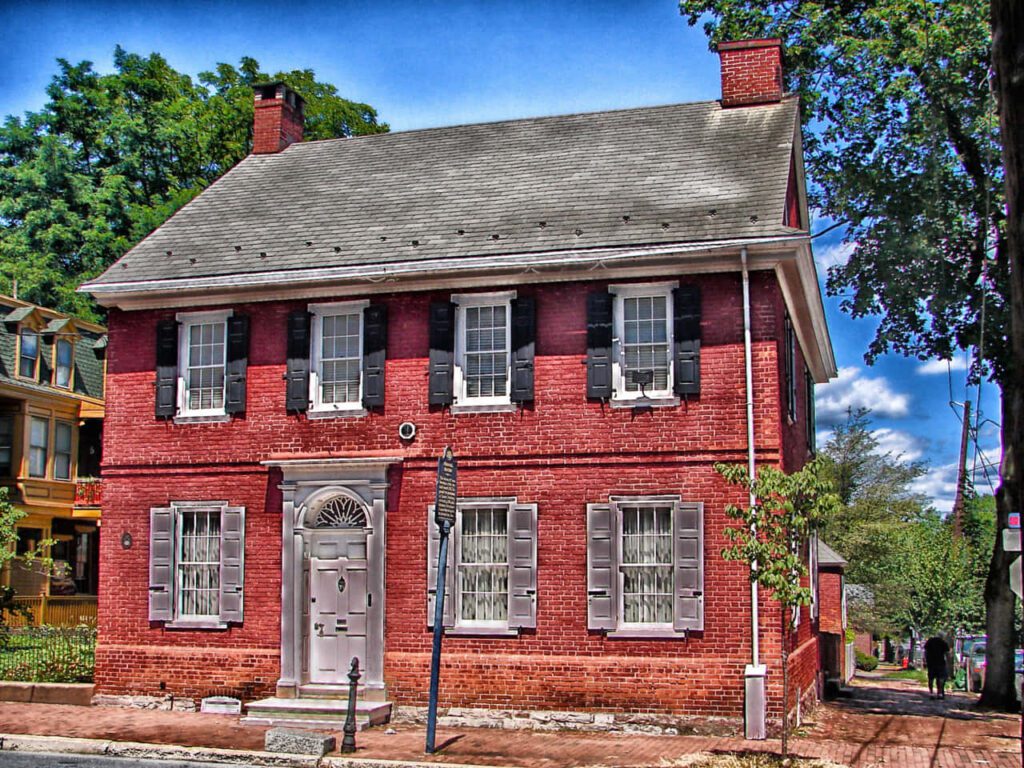
You invested in a new air conditioning system. The technician confirmed proper installation. The unit runs without issues. Yet your Victorian row house on East King Street still feels warm upstairs, or your mid-century ranch in Manheim never quite reaches comfortable temperatures on hot afternoons.
This frustrating scenario plays out across Lancaster County every summer, leaving homeowners wondering why older Lancaster homes struggle to cool even after an AC upgrade. The answer rarely lies with the equipment itself.
Instead, the culprit usually hides behind walls, above ceilings, and within ductwork designed for heating systems installed decades before central air conditioning became standard. Understanding these hidden obstacles helps homeowners make informed decisions about truly effective cooling solutions rather than repeatedly replacing equipment that was never the problem.
The Hidden Truth About Lancaster County’s Housing Stock
Lancaster’s charm comes partly from its architectural diversity. Georgian stone houses from the 1700s line rural roads. Victorian row homes define downtown neighborhoods. Mid-century ranches spread across developments built in the 1950s and 60s. Colonial Revival homes from the 1920s and 30s fill established neighborhoods.
None of these homes was designed for central air conditioning. Most were built for radiator heat, gravity furnaces, or early forced-air systems optimized entirely for winter comfort. The ductwork, insulation, and airflow patterns that work adequately for heating often fail spectacularly at efficiently distributing cool air.
Why Ductwork Designed for Heat Fails at Cooling
Heating and cooling air behave fundamentally differently. Warm air rises. Cool air sinks. This simple physics creates profound challenges in homes with ductwork designed exclusively for heating.
The Gravity Problem
Older forced-air systems relied on natural convection. Furnaces in basements heated air, which rose through large, poorly insulated ducts to reach upper floors. Return air naturally descended through open stairwells and floor registers.
Cool air reverses this pattern. It wants to settle in basements and first floors rather than climb to second or third stories. Ductwork sized and positioned to carry warm air upward cannot effectively push cool air upward against gravity. The result? Basements feel arctic while bedrooms remain stuffy, regardless of how powerful your new AC system runs.
Common Duct Problems
According to the U.S. Department of Energy, typical duct systems lose 20-30% of air through leaks, poor connections, and inadequate insulation. In older homes in Lancaster County, these losses often exceed 40%.
Common duct problems include:
- Undersized return ducts: Insufficient return air capacity creates pressure imbalances that restrict airflow
- Uninsulated basement ducts: Metal ductwork running through cool basements gains heat before delivering cool air upstairs
- Disconnected or damaged sections: Deteriorating connections dump conditioned air into crawlspaces and attics
- Poorly designed layouts: Ducts added during renovations create circuitous routes with excessive bends that reduce efficiency
The Addition Problem
Lancaster County homes frequently feature additions built across different decades. A Victorian house gains a 1950s kitchen. A Colonial farmhouse adds a 1970s family room. Each addition typically receives extended ductwork from the existing system without accounting for increased cooling loads or proper air distribution. Cool air loses velocity and temperature before reaching these distant rooms.
Insulation Gaps That Undermine AC Performance
Insulation standards have evolved dramatically. Homes built before 1950 typically have little to no insulation. Construction from the 1950s through 1970s might include minimal wall insulation and basic attic coverage. Only homes built after the 1980s energy crisis generally meet modern insulation standards.
Critical Insulation Failures
Walls:
Most homes in Lancaster County built before 1950 have empty wall cavities. Brick walls, stone exteriors, and plaster-over-lath construction provide thermal mass but minimal insulation value. Heat radiates through these walls throughout summer days.
Attics:
The Environmental Protection Agency recommends R-38 to R-60 insulation in attics for our climate zone. Many homes in Lancaster County have R-11 or less. Inadequate attic insulation allows summer heat to radiate down into living spaces, forcing AC systems to work constantly.
Floors and penetrations:
Homes with crawl spaces or unfinished basements lose cooling through floors and penetrations. Plumbing vents, electrical boxes, chimney chases, and recessed lighting create countless holes where conditioned air escapes. Older homes accumulate these penetrations over decades of updates, none of which are sealed to modern standards.
Air Sealing and Infiltration Issues
Beyond insulation, air leakage undermines cooling performance. Older construction techniques prioritized different concerns than airtightness. Windows and doors were fitted with generous tolerances. Balloon framing, common in Victorian homes, creates continuous air channels from the basement to the attic.
On a 90-degree day with 70% humidity, every cubic foot of outdoor air entering your home requires significant energy to cool and dehumidify. Air leakage locations in typical Lancaster County homes include basement rim joists, attic access hatches, window and door frames, plumbing and electrical penetrations, and unused chimney chases.
Window and Door Challenges
Single-pane windows in wood frames dominate the historic neighborhoods of Lancaster. These windows provide charm and character. They also transfer heat remarkably efficiently. On summer afternoons, west-facing single-pane windows radiate heat into rooms faster than modest AC systems can remove it.
Storm windows help, but they don’t match the performance of modern double- or triple-pane units. Similarly, old doors with minimal weatherstripping and no thermal breaks allow constant air exchange. A gap of just 1/8 inch around a 36-inch door equals leaving a 4-inch hole open continuously.
Why Do Room Layout and Airflow Patterns Matter?
Victorian homes feature compartmentalized rooms with many doors and limited open airflow. Ranch homes often have long, open floor plans with bedrooms spread out. Colonial homes stack rooms vertically over three stories. Each layout creates specific cooling challenges.
Closed floor plans restrict air circulation. Modern HVAC systems assume relatively open floor plans where air circulates freely. Older homes with many small, closed rooms prevent this circulation. Cool air pools in some rooms while others receive minimal airflow.
Long duct runs in ranch homes lose efficiency. Ductwork running 80 feet or more loses significant velocity and cooling capacity. Multi-story homes face inherent cooling conflicts as heat rises and accumulates on upper floors while thermostats are typically located on cooler first floors.
The Equipment Sizing Misconception
Many homeowners assume larger AC units solve cooling problems. This assumption often backfires. Oversized units cool spaces quickly but shut off before adequately dehumidifying the air. The result? Rooms feel clammy and uncomfortable even when the temperature is technically within the target.
Proper sizing requires detailed load calculations accounting for insulation levels, window performance, air leakage, duct efficiency, and orientation. Simply replacing an old 3-ton unit with a new 4-ton unit ignores the underlying issues causing inadequate cooling.
Since 1987, Groff’s Home Comfort Team has helped Lancaster County homeowners diagnose why older Lancaster homes struggle to cool even after an AC upgrade. Our experience shows that sustainable solutions address the building envelope, ductwork, and airflow patterns rather than simply installing larger equipment.
Effective Solutions for Persistent Cooling Problems
Solving cooling issues in older Lancaster homes requires systematic assessment and targeted improvements. The most effective approach combines building-envelope upgrades with HVAC-system optimization.
Start with Air Sealing
Air sealing delivers the highest return on investment. Sealing basement rim joists, attic penetrations, and major leakage points reduces cooling loads more cost-effectively than any equipment upgrade. Professional air sealing typically costs less than upgrading to a larger AC unit while providing year-round benefits.
Upgrade Attic Insulation
Boosting attic insulation to R-49 or R-60 dramatically reduces summer heat gain. This improvement benefits both heating and cooling while requiring minimal disruption to living spaces. Proper attic ventilation works in tandem with insulation to prevent heat from radiating downward.
Address Window Performance
Complete window replacement represents a significant investment. Strategic approaches include replacing windows on sun-exposed elevations, installing high-quality exterior storm windows on historic windows, adding window films that reject solar heat, and using insulated cellular shades.
Optimize Ductwork
Duct improvements might include sealing all joints and connections with mastic sealant, insulating all ductwork in unconditioned spaces to R-8 or better, adding or enlarging return ducts to balance airflow, installing dampers to control airflow by zone, and redesigning duct layouts to reduce run lengths.
Consider Zoning and Ductless Systems
Multi-zone systems address cooling conflicts in multi-story or sprawling homes. Separate thermostats control different areas independently, solving problems that no equipment upgrade can address. Some older Lancaster homes lack adequate space for improved ductwork. Ductless mini-split systems bypass duct limitations entirely, delivering conditioned air directly into specific rooms.
The Value of Calling Experts for Cooling Solutions
Comprehensive cooling solutions require professional assessment. Accurate load calculations, duct design, and system sizing demand specialized knowledge and diagnostic equipment. Professional HVAC contractors use blower door tests to measure air leakage, thermal cameras to identify insulation gaps, and duct pressure testing to locate leaks.
Groff’s Home Comfort Team provides comprehensive assessments for homeowners in Lancaster County struggling with cooling issues. Our approach examines the entire system, including building envelope, ductwork, and equipment performance. We use only top-quality materials and back every project with our 100% satisfaction guarantee because we know that solving cooling problems requires addressing root causes, not just selling equipment.
Your Path to Comfortable Summers
Understanding why older Lancaster homes struggle to cool even after an AC upgrade empowers better decisions. The new air conditioner humming in your yard might work perfectly. The problem likely hides in ductwork designed for different purposes, insulation from eras with different standards, and building assemblies never intended for air conditioning.
Effective solutions start with an accurate diagnosis. Measure air leakage. Assess insulation levels. Evaluate duct performance. Identify specific heat gain sources. Only then can you make targeted improvements that deliver lasting comfort rather than temporary fixes.
Lancaster County’s older homes offer character, craftsmanship, and connection to history. They also present unique HVAC challenges. Solving these challenges requires expertise in both vintage construction and modern HVAC systems.
Visit our HVAC services page to learn how we approach cooling challenges in Lancaster’s diverse housing stock. Discover how our locally owned team combines decades of experience with honest advice to create comfortable homes that respect architectural character while delivering modern performance.
Learn more about our comprehensive home comfort solutions and experience the difference a professional diagnosis makes.
Frequently Asked Questions
Why does my upstairs stay warm even with a new AC?
Older Lancaster homes struggle to cool upstairs areas even with new AC systems because ductwork was designed for heating, not cooling. Warm air naturally rises while cool air sinks. Ductwork sized and positioned to distribute rising warm air cannot effectively push cool air upward against gravity. Additionally, inadequate attic insulation allows summer heat to radiate downward into upper floors faster than AC systems can remove it. Solutions include improving attic insulation to R-49 or higher, sealing air leaks, adding return ducts upstairs, and potentially installing zoning systems.
Can a bigger AC unit solve cooling problems in my old house?
Bigger AC units rarely solve cooling problems in older homes and often create new issues. Oversized systems cool spaces quickly but shut off before properly dehumidifying air, leaving rooms feeling clammy. The real problems typically involve inadequate insulation, leaky ductwork, air infiltration, and duct designs incompatible with cooling. According to the U.S. Department of Energy, duct systems in older homes often lose 20-40% of cooled air before it reaches living spaces. Addressing these fundamental issues delivers better results than simply installing larger equipment.
How much does duct sealing improve cooling performance?
Professional duct sealing typically improves cooling performance by 15-30% in older Lancaster homes. The U.S. Department of Energy reports that typical duct systems lose 20-30% of air through leaks, with older systems often exceeding 40% losses. Sealing duct joints with mastic sealant, insulating ductwork in unconditioned spaces, and balancing return air capacity address these losses. Duct sealing costs significantly less than AC replacement while providing year-round benefits for both heating and cooling.
Which insulation upgrades help older homes stay cooler?
Attic insulation upgrades deliver the highest cooling improvement per dollar invested. Boosting attic insulation from typical R-11 to recommended R-49 or R-60 dramatically reduces summer heat gain. The Environmental Protection Agency recommends these higher R-values for Lancaster County’s climate zone. Beyond attics, sealing basement rim joists prevents significant air leakage, and insulating floors over crawlspaces reduces cooling losses. Strategic insulation upgrades address root causes rather than just treating symptoms.
Are ductless mini-splits good for historic Lancaster homes?
Ductless mini-split systems work exceptionally well for historic Lancaster homes that lack adequate ductwork or space for ductwork upgrades. These systems bypass duct limitations entirely, delivering conditioned air directly into specific rooms through small wall-mounted units. Mini-splits excel in additions, upper floors, and homes where preserving historic character prohibits extensive duct modifications. They also provide room-by-room temperature control, resolving multi-story cooling conflicts. Since 1987, Groff’s Home Comfort Team has installed ductless systems throughout Lancaster County with excellent results.
How do I know if my ductwork needs replacement or just repair?
A professional duct assessment, using pressure testing and visual inspection, determines whether repair or replacement is the best option. Ductwork showing extensive damage, major disconnections, or designs fundamentally incompatible with cooling often warrants replacement. However, many older systems benefit from strategic repairs, including sealing joints, insulating exposed sections, adding return ducts, and rebalancing airflow. Groff’s Home Comfort Team provides detailed duct evaluations for Lancaster County homeowners, recommending repairs when effective and replacement only when necessary.
What causes some rooms to stay warmer than others?
Uneven cooling results from multiple factors common in older Lancaster homes. Inadequate return air pathways prevent proper circulation. Long duct runs lose velocity and cooling capacity. Closed floor plans restrict airflow between rooms. South and west-facing windows gain significant solar heat. Inadequate insulation in specific walls or ceilings creates hot spots. Solutions depend on the specific causes but often include adding return ducts, balancing dampers, improving insulation in problem areas, addressing window performance, and, if needed, installing zoning systems.
About the Author: Andrew Whittaker
Andrew Whittaker, owner of Groff’s Home Comfort Team, brings over 30 years of experience in HVAC, plumbing, electrical, and water treatment services. With a mechanical engineering background and a passion for customer care, Andrew has led Groff’s to become a trusted name in Lancaster County since 1987. His leadership emphasizes quality craftsmanship, honest advice, and innovative, tailored solutions for every home. Andrew’s commitment to ongoing education and active community involvement ensures Groff’s stays at the forefront of home comfort technology, backed by a 100% satisfaction guarantee.
Beyond his professional achievements, Andrew is deeply invested in the Lancaster community. He supports local initiatives and fosters a company culture that values generosity, purpose, and lasting relationships. Under his guidance, Groff’s not only delivers exceptional HVAC, electrical, and plumbing solutions but also serves as a trusted neighbor dedicated to enhancing the comfort and safety of every home.
