
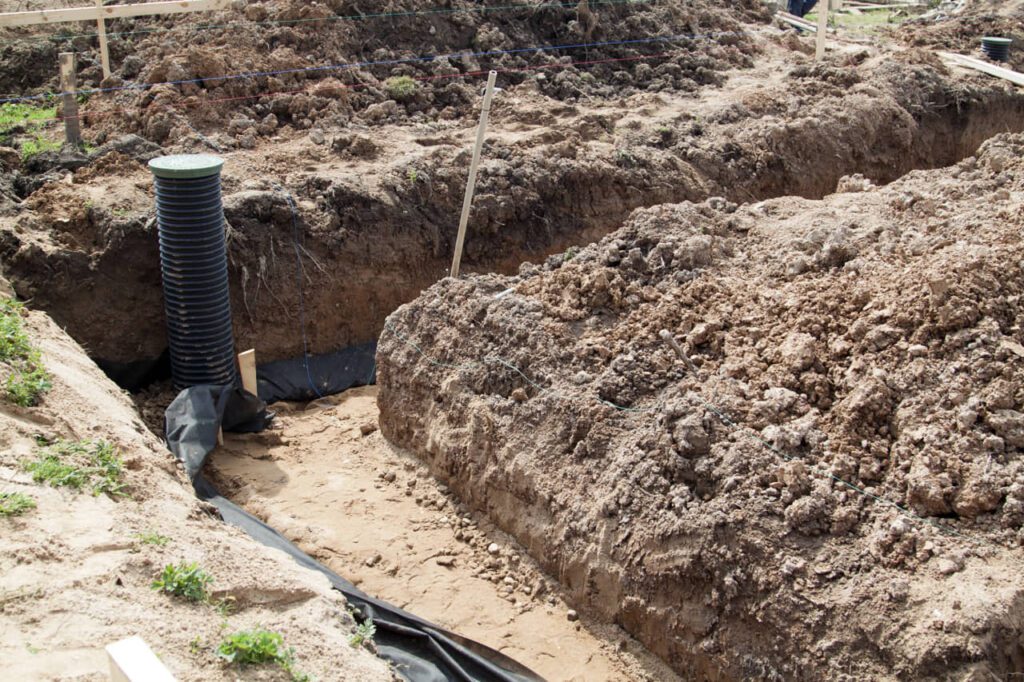
Your basement doesn’t behave like your neighbor’s in Pittsburgh. It doesn’t face the same challenges as a basement in Philadelphia or Erie. If you own a home in Lancaster County, your basement sits on some of the most unique and demanding ground in the entire state, and most homeowners discover this the hard way: through wet walls, failed sump pumps, cracked foundations, and water that seems to appear from nowhere despite no rain for weeks.
Understanding why Lancaster County basements differ from the rest of Pennsylvania helps you make smarter decisions about waterproofing, drainage, plumbing, and maintenance. It helps you stop treating symptoms and start addressing root causes. This post explains the specific soil conditions, water table dynamics, historical building practices, and regional quirks that shape every basement in our area, so you can protect your home with the knowledge your situation actually requires.
The Soil Beneath Lancaster County Is Unlike Anywhere Else in Pennsylvania
Pennsylvania soil varies dramatically from region to region. The rocky, thin soils of the Pocono Mountains drain quickly. Philadelphia’s clay-heavy suburban soils hold water but behave predictably. Pittsburgh’s soils reflect Appalachian geology. Lancaster County sits on something entirely different, and it shapes everything that happens below your home’s foundation.
Limestone Karst: The Hidden Factor Under Your Foundation
Much of Lancaster County sits atop limestone bedrock, creating what geologists call karst topography. Limestone dissolves slowly under acidic groundwater, creating underground voids, channels, and sinkholes that redirect water in unpredictable ways.
According to the Pennsylvania Geological Survey, Lancaster County contains some of the most extensive karst formations in the state. This matters for your basement because:
- Groundwater doesn’t move in straight, predictable lines. It follows underground channels carved through dissolved limestone.
- Water can appear in your basement from directions that make no logical sense based on surface drainage.
- Dry periods followed by heavy rain create dramatic pressure changes as water rushes through karst channels.
- Foundation settlement happens unevenly where voids exist beneath footings.
This explains why two nearly identical homes on the same street can have completely different basement water problems. The limestone channels beneath each property run differently, delivering water from different directions at different rates.
Lancaster’s Famously Productive Soil Creates Drainage Challenges
Lancaster County’s soil earned a global reputation for agricultural productivity. The Conestoga and Pequea valleys feature deep, rich loam soils that retain moisture exceptionally well. Farmers love this. Homeowners with basements have a complicated relationship with them.
Moisture-retentive agricultural soil means water stays near your foundation longer than it would in faster-draining regions. After heavy rain, saturated soil maintains hydrostatic pressure against foundation walls for days or weeks rather than hours. This extended pressure works against mortar joints, through hairline cracks, and around pipe penetrations in ways that brief pressure spikes simply cannot.
Lancaster County’s Water Table Creates Year-Round Basement Pressure
Pennsylvania’s water table varies significantly by region. Lancaster County’s water table runs higher than many homeowners expect, and it fluctuates seasonally in patterns that catch even experienced homeowners off guard.
Spring Thaw and the Susquehanna Watershed
Lancaster County drains primarily through the Susquehanna River watershed. When spring snowmelt combines with March and April rains, the entire watershed fills simultaneously. Groundwater rises sharply and quickly. Basements that stayed dry all winter suddenly face pressure from below as the water table climbs toward their floors.
This bottom-up water entry confuses homeowners who assume basement water always enters through walls. When water appears on your floor with no wall seepage visible, rising water table pressure forcing water up through floor cracks or the floor-wall joint is often the explanation. Waterproofing only the walls misses this entirely.
Seasonal Fluctuation Patterns Specific to Our Region
Lancaster County’s water table follows a predictable annual pattern that shapes basement management:
- Late winter through spring (February through May): Highest water table as snowmelt and spring rains saturate frozen ground simultaneously
- Early summer (June through July): Gradual decrease as vegetation actively absorbs moisture and evaporation increases
- Late summer (August through September): Typically lowest water table, when dry basements feel safest and wet basements seem improved
- Fall (October through November): Rising water table as vegetation dies back, evaporation decreases, and fall rains accumulate
This pattern explains why homeowners buy Lancaster County homes in August, see dry, clean basements, and discover serious water problems the following spring. The basement you toured in summer may be completely different from the basement you’ll manage in April.
How Lancaster County’s Building History Shapes Basement Vulnerability
Your basement reflects when and how it was built as much as where. Lancaster County’s deep construction history means the area contains more pre-1900 basement construction than almost any other Pennsylvania county, and each era brought different approaches with different long-term vulnerabilities.
Stone Foundation Basements: Beautiful but Demanding
Many Lancaster County homes built before 1920 feature stone foundation walls mortared with lime-based mixtures. These foundations served generations of homeowners remarkably well, but they require specific understanding.
Lime mortar remains softer and more permeable than modern Portland cement. This was intentional: softer mortar allows foundation walls to flex slightly with seasonal ground movement without cracking. The flexibility that makes stone foundations durable also makes them permeable. Water moves through lime mortar joints slowly but continuously under pressure.
Repointing stone foundations with modern Portland cement mortar actually damages them. The rigid modern mortar forces stress into the stones themselves rather than allowing it to dissipate through joints, eventually cracking stones that survived for a century. Proper maintenance of stone foundation basements requires lime-based mortars that match the original construction.
Poured Concrete and Block Construction: Mid-Century Vulnerabilities
Lancaster County’s postwar housing boom produced thousands of homes with poured-concrete or concrete-block foundation walls. These materials suited rapid construction but created predictable long-term vulnerabilities.
Concrete block construction left hollow cores in foundation walls that collect and channel water. Horizontal cracks in block walls indicate lateral soil pressure exceeding the wall’s design capacity. These cracks require structural evaluation, not just waterproofing.
Poured concrete develops shrinkage cracks during curing. Original waterproofing coatings from the 1950s and 1960s have long since degraded. Cracks that were hairline decades ago have widened through freeze-thaw cycles, allowing significant water entry.
The Addition Problem in Lancaster County Homes
Lancaster County’s long history of home modifications creates specific basement water challenges. Additions built at different times frequently have varying foundation depths, construction materials, and drainage provisions. Water collects at the junction between the original foundations and the addition foundations, following this seam into living spaces.
What Lancaster County Homeowners Face That Others Don’t
Understanding your specific regional context reveals why generic basement advice often fails here. Solutions designed for fast-draining suburban soils don’t account for karst groundwater movement. Waterproofing approaches designed for predictable water tables don’t address Lancaster’s seasonal fluctuations. Standard drainage systems designed for typical Pennsylvania geology miss limestone-specific water pathways.
The combination of factors Lancaster County homeowners manage includes:
- Unpredictable groundwater movement through karst limestone channels
- High-moisture-retention soil maintains extended hydrostatic pressure.
- Significant seasonal water-table fluctuations create vulnerability in spring.
- Historic stone, brick, and block construction requires material-specific approaches.
- Complex foundation junctions from additions built across different eras.
- Hard, mineral-rich water that accelerates pipe corrosion and drain buildup.
After nearly four decades serving Lancaster County homes, Groff’s Home Comfort Team understands these specific conditions because we work in them daily. We’ve seen how limestone karst delivers water to unexpected locations. We’ve managed the rise in the spring water table in homes throughout the county. We know what works here and what doesn’t because we’ve watched both play out in real homes across the area.
The Cost of Ignoring What Makes Your Basement Unique
If you treat your Lancaster County basement like a generic Pennsylvania basement, you’ll keep chasing the same problems without solving them.
Apply the wrong waterproofing approach for your foundation type, and you’ll damage original construction while failing to address actual water entry points. Miss the seasonal water table pattern, and you’ll make decisions based on summer inspections that don’t reflect spring reality. Ignore karst groundwater movement, and you’ll waterproof the wrong walls while water continues entering from unexpected directions.
The financial stakes are real. Water damage repairs in finished Lancaster County basements regularly exceed $15,000 once mold remediation, structural repairs, and material replacement are factored in. But the deeper cost involves living with uncertainty, with a home that feels unreliable, with worry every time heavy rain approaches.
You deserve better than that. You deserve a home that works confidently through every season.
Your Three-Step Path to a Basement That Works Year-Round
Getting your Lancaster County basement right doesn’t require guesswork. It requires the right sequence.
Step 1: Get a Regional Assessment
Schedule a professional basement evaluation from contractors who understand Lancaster County’s specific geology, building history, and seasonal patterns. A proper assessment identifies your foundation type, evaluates water entry points, and maps seasonal vulnerability before recommending solutions.
Step 2: Address Root Causes, Not Symptoms
Based on your assessment, implement solutions matched to your specific conditions. Stone foundations need different approaches from block walls. Karst groundwater requires different drainage from surface infiltration. Seasonal water-table pressure requires different solutions from roof runoff. Matching solutions to actual causes produces lasting results.
Step 3: Maintain Systems Seasonally
Lancaster County basements require seasonal attention, particularly in late winter and early spring, as the water table rises. Annual plumbing inspections, sump pump testing before spring, and drain maintenance prevent small problems from becoming expensive emergencies.
Take Action Before the Next Spring Season Arrives
Lancaster County’s spring water table rise creates the most vulnerable period for local basements. If your basement showed any moisture last spring- water stains, musty odors, damp walls, or wet floors- that problem will return next year without targeted intervention.
Don’t wait for the problem to announce itself at the worst possible moment.
Contact Groff’s Home Comfort Team at (717) 455-3478 to schedule your basement assessment before spring arrives. Visit our plumbing services page to learn how we approach water management in Lancaster County’s unique conditions. Discover our comprehensive home services and find out how nearly four decades of local experience translate into solutions that actually work for your specific home. Schedule your assessment today and head into spring with confidence, not worry.
Frequently Asked Questions
Why do Lancaster County basements get water even without heavy rain?
Lancaster County’s limestone karst geology creates underground water channels that move groundwater unpredictably. Water that fell miles away can travel through karst formations and appear in your basement during dry weather. Additionally, Lancaster County’s high seasonal water table, particularly in late winter and spring, pushes water up through floor cracks and wall-floor joints, with no surface rainfall contributing. The combination of karst groundwater movement and seasonal water-table fluctuations creates basement-water problems that don’t correlate with recent weather patterns.
What makes Lancaster County soil different from other parts of Pennsylvania?
Lancaster County sits atop limestone karst bedrock and features deep, moisture-retentive agricultural loam soils. The limestone dissolves slowly, creating underground voids and channels that redirect groundwater unpredictably. The rich agricultural soil retains moisture far longer than faster-draining soils in other regions of Pennsylvania, maintaining hydrostatic pressure against foundations. According to the Pennsylvania Geological Survey, Lancaster County contains some of the most extensive karst formations in the state, making basement water management distinctly different from approaches used elsewhere in Pennsylvania.
When is the worst time of year for Lancaster County basement water problems?
From late winter through spring, typically February through May, Lancaster County basements face the highest risk. Spring snowmelt combines with seasonal rainfall while the ground remains partially frozen, preventing absorption. The Susquehanna River watershed fills simultaneously, sharply raising the regional water table. Basements that stayed dry throughout summer and fall often experience their worst water intrusion during this period. This seasonal pattern explains why homes purchased during summer inspections often surprise new owners with serious water problems during their first spring.
How do I know if my basement foundation is stone, block, or poured concrete?
Visual inspection typically identifies foundation type. Stone foundations show individual rocks, usually limestone or sandstone, set in visible mortar joints. Concrete block foundations display uniform rectangular blocks with visible joints in a grid pattern. Poured concrete foundations appear as continuous walls without visible seams or individual units, though shrinkage cracks often appear as vertical or diagonal lines. Each foundation type requires different maintenance approaches and responds differently to waterproofing methods. If you’re uncertain, a professional assessment can identify your foundation type and recommend appropriate care.
Why does my Lancaster County basement have water coming up through the floor rather than the walls?
Floor water entry typically indicates rising water-table pressure rather than surface-water infiltration. When Lancaster County’s water table rises in spring, hydrostatic pressure pushes water upward through floor cracks, the joint where the floor meets the wall, and any penetrations in your concrete slab. Waterproofing only the walls doesn’t address the floor entry. Interior drainage systems that capture and redirect rising groundwater before it reaches living spaces provide the appropriate solution for floor water entry in Lancaster County’s seasonal conditions.
Do older Lancaster County homes with stone foundations need different waterproofing from newer homes?
Yes, significantly different. Stone foundations with original lime mortar require lime-based repointing that matches the original construction. Applying modern Portland cement mortar to stone foundations forces stress into the stones themselves, eventually cracking stones that survived for a century. Appropriate stone foundation maintenance uses historically compatible materials that allow the slight flexibility that the original construction intended. Additionally, stone foundations in Lancaster County’s limestone karst region face specific groundwater challenges that surface waterproofing coatings don’t address. Interior drainage systems combined with proper mortar maintenance provide more effective results than exterior coatings alone.
How do Lancaster County’s water treatment needs relate to basement plumbing problems?
Lancaster County’s hard, mineral-rich water accelerates corrosion and buildup in basement plumbing systems. Mineral deposits restrict drain flow, creating backups that can overflow into finished basement spaces. Hard water accelerates corrosion in older galvanized pipes, which are common in pre-1970 homes throughout the county. Water heaters in areas with high mineral content fail faster than manufacturers estimate. Addressing water quality through appropriate treatment systems protects the longevity of your home’s plumbing, including basement systems, which are often the most difficult and expensive to access and repair.
About the Author: Andrew Whittaker
Andrew Whittaker, co-owner of Groff’s Home Comfort Team, brings over a decade of dedicated leadership to one of Lancaster County’s most trusted home service companies. Since joining the team more than 10 years ago, Andrew has been instrumental in maintaining Groff’s reputation for quality craftsmanship, honest advice, and innovative solutions. With a mechanical engineering background and a passion for customer care, Andrew ensures every project meets the high standards that have defined Groff’s since 1987.
Andrew’s commitment to ongoing education and technical excellence keeps Groff’s at the forefront of home comfort technology. His hands-on approach and attention to detail ensure that every HVAC, plumbing, electrical, and water treatment project receives the expertise Lancaster County homeowners deserve, backed by our 100% satisfaction guarantee.
Beyond his professional achievements, Andrew is deeply invested in the Lancaster community. He supports local initiatives and fosters a company culture that values generosity, purpose, and lasting relationships. Under his leadership, Groff’s not only delivers exceptional home comfort solutions but also serves as a trusted neighbor dedicated to enhancing the comfort and safety of every home.
