
You finally finished your basement. The carpet feels plush under bare feet. The entertainment system transforms movie nights. The guest bedroom gives visiting families their own space. Then you notice it: a small water spot on the ceiling tile. Just a tiny discoloration. Probably nothing serious. You’ll get to it next week.
Three months later, you’re pulling up soaked carpet, cutting away ruined drywall, and watching contractors haul black-mold-covered insulation out of your once-perfect lower level. What started as a “minor” plumbing leak in your finished basement has become a repair bill that makes you sick to your stomach. This scenario plays out across Lancaster County every year, turning dream spaces into disaster zones. The problem isn’t the initial leak. It’s what happens when small plumbing problems hide behind finished walls, under carpet, and above drop ceilings, where you can’t see the damage accumulating day after day.
Understanding how these leaks escalate helps you catch problems early, protect your investment, and avoid the heartbreak of watching your finished space destroyed by water you never saw coming.
Why Finished Basements Hide Plumbing Problems Until It’s Too Late
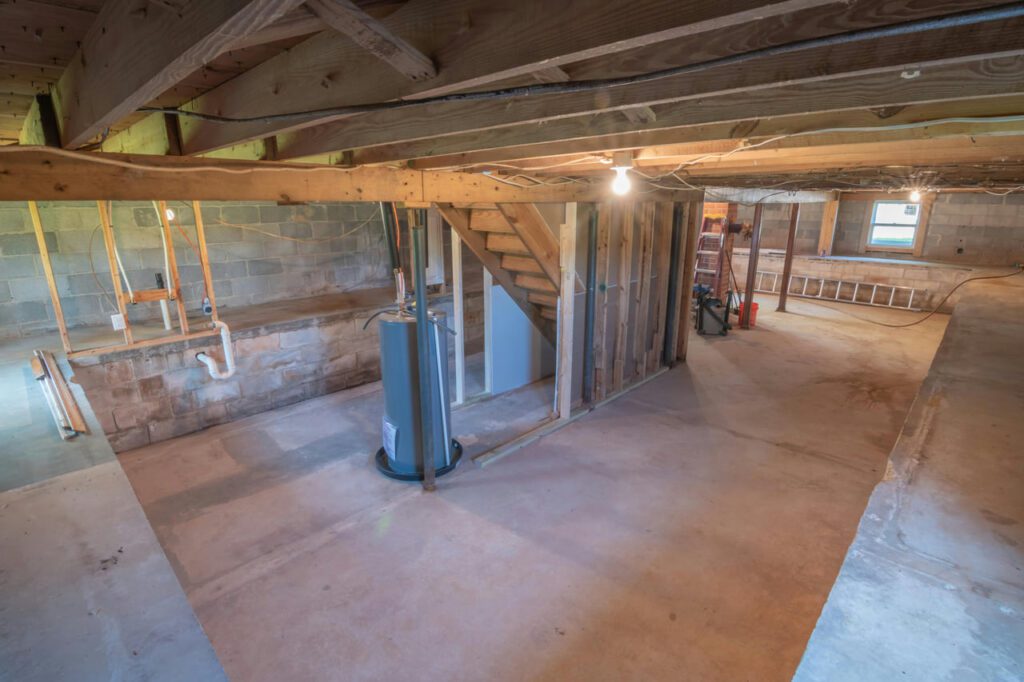
Unfinished basements show you everything. Exposed pipes reveal drips immediately. Concrete floors display water puddles. Open ceilings let you spot problems before they spread. You see issues and fix them quickly.
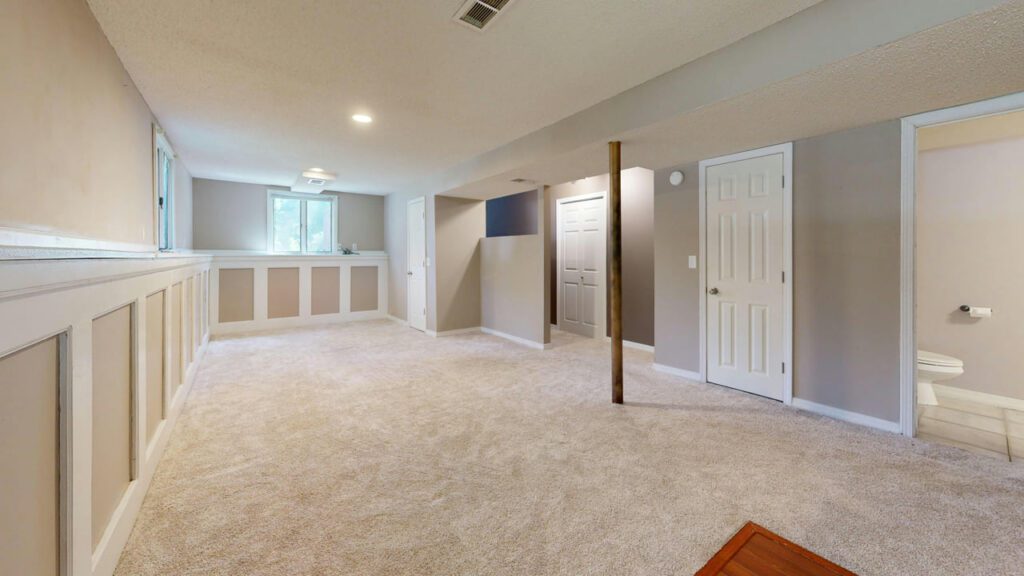
Finished basements work against you. That’s the cruel irony. The materials that make your lower level comfortable also hide water damage until it becomes serious.
The Materials That Trap Moisture
Carpet absorbs water like a sponge, wicking moisture away from leak sources and spreading it across large areas. By the time you notice dampness underfoot, water has already saturated the padding and reached the subfloor. Drywall acts as a vertical sponge, pulling water upward through capillary action. A leak at the baseboard level travels up the walls, hidden behind paint and wallpaper, until the damage becomes obvious.
Drop ceilings conceal everything above them. Water from supply lines, drain pipes, or HVAC condensation accumulates on tiles, turning them into soggy messes. You only discover the problem when tiles sag noticeably or collapse entirely, releasing pooled water onto furniture and electronics below.
According to the Insurance Information Institute, water damage and mold account for nearly one-third of all homeowners’ insurance claims. In finished basements, the average claim exceeds $10,000 because damage remains hidden until it becomes extensive.
Where Leaks Start in Finished Lancaster County Basements
Lancaster County’s housing mix creates specific vulnerabilities. Older homes converted from coal storage or root cellars to finished living space contain aging plumbing never designed for modern demands. Mid-century ranches feature original galvanized pipes that corrode internally. Newer construction sometimes rushes finishing work, leaving connections improperly secured.
Common leak sources include:
- Supply line connections: Joints behind washing machines, water heaters, and utility sinks develop slow seeps
- Drain line failures: Cast iron drains crack, PVC joints separate, and cleanout caps loosen
- Water heater issues: Pressure relief valves drip, tank corrosion creates pinhole leaks
- HVAC condensation: Clogged drain lines overflow, soaking surrounding materials
- Sewer backup points: Main line blockages force water up through floor drains
Each source starts small. Each becomes expensive when hidden by finished surfaces.
How Small Leaks Escalate Into Major Damage
You might think a drip every few seconds couldn’t cause serious problems. The math tells a different story. A leak dripping once per second wastes 2,700 gallons annually. That’s enough water to fill a small swimming pool. More importantly, it’s enough water to destroy a finished basement.
The First Week: Hidden Damage Begins
During the first week, water accumulates slowly. Carpet padding absorbs moisture. Drywall wicks water upward. Wood framing begins softening. You notice nothing. The leak remains invisible behind walls or under flooring. Everything looks normal from your perspective.
Behind the scenes, damage accelerates. According to the Environmental Protection Agency, mold growth begins within 24 to 48 hours of water exposure. By week’s end, mold colonies establish themselves in drywall, insulation, and wood framing. You still see nothing, but the destruction has started.
The First Month: Structural Concerns Develop
After a month of continuous exposure, structural problems emerge. Wood studs and floor joists soften as water penetrates deeper. Drywall loses integrity, though painted surfaces may still appear fine. Carpet develops musty odors that homeowners often attribute to poor ventilation or pet accidents.
Electrical hazards increase as moisture accumulates at outlets, switches, and in wiring. Water conducts electricity, creating shock risks and potential fire hazards. Insulation saturates, losing all R-value while harboring mold growth that spreads spores throughout your HVAC system every time the furnace or air conditioner runs.
Three Months In: The Damage Becomes Obvious
After three months, you can no longer ignore the problem. Carpet squelches underfoot. Walls feel damp to the touch. Ceiling tiles sag visibly. The musty smell becomes overwhelming. Black spots appear on drywall and baseboards. Paint bubbles and peels.
This is when most Lancaster County homeowners call for help. Unfortunately, by this point, the damage extends far beyond the visible problems. Hidden mold colonizes wall cavities. Framing requires replacement. Flooring must come out completely. What could have been a $200 repair three months earlier now costs $15,000 or more.
The Real Cost of Delayed Action
Money represents only part of the cost equation. Yes, the repair bills hurt. Replacing carpet, drywall, insulation, and framing in a 500-square-foot finished basement easily exceeds $20,000. Add mold remediation, and the number climbs higher.
But you also lose access to your space during repairs. That takes weeks or months. You lose irreplaceable items that were water-damaged before you discovered the leak. You lose peace of mind knowing your home harbors hidden problems.
Some homeowners lose even more. Insurance companies often deny water damage claims when leaks occur gradually rather than suddenly. Policies cover burst pipes but exclude damage from slow leaks or “lack of maintenance.” You might have to cover the entire repair bill yourself if your carrier determines the leak existed for weeks or months before you addressed it.
Warning Signs You Should Never Ignore
Your finished basement can reveal hidden leaks if you know what to watch for.
These signs mean water is already causing damage somewhere:
Musty odors: The first indicator of hidden moisture and mold growth, noticeable especially after the HVAC system runs
Increased humidity: If your basement feels muggy despite dehumidifier operation, water is entering from somewhere
Efflorescence: White, chalky deposits on concrete walls indicate moisture moving through masonry
Warping baseboards: Wood trim pulling away from walls or developing wavy edges signals water exposure
Ceiling stains: Discoloration on drop ceiling tiles means water has been leaking above for some time
Peeling paint or wallpaper: Moisture behind finished surfaces pushes coverings away from walls
Higher water bills: Unexplained increases suggest continuous water loss from hidden leaks
Running water sounds: Hearing water flowing when no fixtures are in use points to active leaks
Since 1987, Groff’s Home Comfort Team has responded to countless basement water damage calls across Lancaster County. The pattern repeats: homeowners noticed warning signs weeks or months earlier but assumed they represented minor issues that could wait. Waiting always costs more than acting immediately.
What Professional Leak Detection Reveals
Modern leak detection goes far beyond visual inspection. Professional plumbers use technology that finds problems you cannot see.
Thermal imaging cameras detect temperature differences that indicate moisture behind walls. Moisture meters measure water content in drywall, wood, and carpet without destructive testing. Acoustic listening devices amplify the sound of water movement behind finished surfaces. Pressure testing identifies drops that signal leaks in supply lines.
These tools locate problems precisely, minimizing the need for destructive investigation. Instead of cutting exploratory holes throughout your basement in hopes of finding the leak source, technicians identify the exact location before making any cuts. This saves time, money, and unnecessary damage to your finished space.
Your Action Plan: Three Steps to Protect Your Investment
You don’t need to tear apart your finished basement to check for leaks. You need a simple, consistent monitoring routine that catches problems early.
Step 1: Monthly Visual Inspections
Once a month, walk through your finished basement, specifically looking for warning signs. Check ceiling tiles for discoloration or sagging. Examine walls at floor level for dampness or staining. Smell for musty odors near plumbing fixtures. Run your hand along baseboards, checking for moisture or warping. Inspect around water heaters, washing machines, and utility sinks for standing water or corrosion. This takes 15 minutes monthly and can save you thousands in avoided damage.
Step 2: Annual Professional Assessment
Schedule annual plumbing inspections that specifically evaluate your basement’s hidden plumbing. Professional plumbers check supply line connections, test drain flow, examine the condition of the water heater, and use detection equipment to verify system integrity. This preventive service costs $150 to $300 but identifies problems before they cause extensive damage. Groff’s Home Comfort Team provides comprehensive plumbing assessments for Lancaster County homeowners, using only top-quality materials and backing every service with our 100% satisfaction guarantee.
Step 3: Immediate Response to Warning Signs
When you notice any warning signs, call for a professional evaluation immediately. Don’t wait to see if the problem gets worse. It will. Every day of delay allows more water to accumulate, more damage to spread, and more mold to grow. Quick response minimizes damage and costs.
Why Lancaster County Basements Face Unique Risks
Lancaster County’s housing stock presents specific basement water challenges. Many homes built before 1950 feature stone foundations with mortar that has deteriorated over the decades. Water seeps through these walls, especially during heavy rains or spring thaws.
Homes from the 1950s through 1970s often have original plumbing that has exceeded its design life. Galvanized steel pipes corrode from the inside out, creating pinhole leaks that spray water behind finished walls. Cast iron drains crack at joints, leaking sewage that creates both damage and health hazards.
Our local water contains minerals that accelerate corrosion in metal pipes and create buildup in drains. The freeze-thaw cycles common in Pennsylvania winters stress plumbing connections. High water tables in areas near the Conestoga and Susquehanna Rivers increase hydrostatic pressure against basement walls.
These factors mean Lancaster County finished basements require more vigilance than basements in other regions. The conditions that make our area beautiful also create challenges for homeowners who want to maintain comfortable, dry lower-level living spaces.
Moving Forward: Your Basement Deserves Protection
Your finished basement represents a significant investment in your home’s value and your family’s comfort. That investment deserves protection from the hidden threat of plumbing leaks, which can escalate from minor nuisances to major disasters.
You can’t prevent every possible leak. Plumbing systems eventually fail regardless of quality or maintenance. But you can catch problems early, before small leaks cause large damage. You can establish monitoring routines that reveal hidden moisture. You can respond quickly when warning signs appear.
The difference between a $200 repair and a $20,000 disaster often comes down to timing. Act on warning signs immediately. Schedule regular inspections. Don’t assume small problems will stay small or fix themselves.
Contact Groff’s Home Comfort Team at (717) 455-3478 when you notice any basement moisture concerns. Visit our plumbing services page to learn how we help Lancaster County homeowners protect their finished basements from water damage. Our locally owned team combines decades of experience with honest advice and innovative solutions. Discover our comprehensive home services and experience the difference that professional diagnosis makes. Your finished basement deserves expert care that catches problems early, before minor leaks become major repairs.
Frequently Asked Questions
How quickly can a small plumbing leak damage a finished basement?
Mold growth begins within 24 to 48 hours of water exposure, according to the Environmental Protection Agency. Within one week, hidden moisture saturates drywall, carpet padding, and insulation. After one month, structural wood softens, and mold colonies establish throughout affected areas. By three months, visible damage appears as sagging ceiling tiles, warped baseboards, musty odors, and obvious water stains. The average water damage claim in finished basements exceeds $10,000 because damage remains hidden until it becomes extensive, making early detection critical for minimizing repair costs.
What are the first signs of a hidden plumbing leak in my finished basement?
The earliest warning signs include musty odors, especially noticeable after your HVAC system runs, increased humidity despite dehumidifier operation, and unexplained increases in water bills. As leaks progress, you might notice white chalky deposits on concrete walls, warping baseboards pulling away from walls, discoloration on ceiling tiles, peeling paint or wallpaper, and hearing running water sounds when no fixtures are in use. These signs indicate water is already causing damage behind finished surfaces, requiring immediate professional assessment to locate the source and prevent further destruction.
Will my homeowners’ insurance cover water damage from a slow leak in the basement?
Insurance companies often deny water damage claims when leaks occur gradually rather than suddenly. Most policies cover burst pipes but exclude damage from slow leaks or “lack of maintenance.” If your carrier determines the leak existed for weeks or months before you addressed it, you might have to cover the entire repair bill yourself. This makes early detection and immediate response critical not just for minimizing damage but also for maintaining insurance coverage. Document any water issues immediately and contact both your plumber and insurance company when problems arise.
How much does it cost to repair water damage in a finished basement?
Repair costs vary based on the extent of damage and the affected materials. Minor repairs addressing early-stage leaks might cost $500 to $2,000. Moderate damage requiring carpet replacement, drywall repair, and mold treatment typically ranges from $5,000 to $15,000. Extensive damage necessitating complete carpet removal, wall replacement, framing repairs, and professional mold remediation easily exceeds $20,000 for a 500-square-foot finished basement. The Insurance Information Institute reports that water damage and mold account for nearly one-third of all homeowners’ claims, with average basement claims exceeding $10,000. Early detection dramatically reduces these costs.
Can I find basement plumbing leaks myself, or do I need professional help?
While monthly visual inspections help catch obvious problems, professional leak detection uses specialized equipment that finds issues you cannot see. Thermal imaging cameras detect temperature differences, indicating hidden moisture. Moisture meters measure water content in materials without destructive testing. Acoustic listening devices amplify the sounds of water movement behind finished surfaces. Pressure testing identifies leaks in supply lines. These tools locate problems precisely, minimizing unnecessary damage during investigation. Since 1987, Groff’s Home Comfort Team has helped Lancaster County homeowners identify and resolve hidden basement leaks before they cause extensive damage.
What causes plumbing leaks in finished basements in Lancaster County?
Lancaster County’s housing stock creates specific vulnerabilities. Older homes feature aging plumbing that was never designed for modern demands. Mid-century homes have original galvanized pipes that corrode internally. Common leak sources include supply line connections behind appliances, failing cast iron drains, water heater issues, HVAC condensation overflow, and sewer backup points. Local water contains minerals that accelerate pipe corrosion. Freeze-thaw cycles stress plumbing connections. High water tables near the Conestoga and Susquehanna Rivers increase pressure against basement walls. These factors require more vigilance than basements in other regions.
How often should I have my finished basement plumbing inspected?
Schedule annual professional plumbing inspections, with a focus on evaluating your basement’s hidden plumbing systems. Professional plumbers check supply line connections, test drain flow, examine the condition of the water heater, and use detection equipment to verify system integrity. This preventive service costs $150 to $300 but identifies problems before they cause extensive damage. Additionally, perform monthly visual inspections yourself, checking ceiling tiles, examining walls at floor level, smelling for musty odors near fixtures, and inspecting around water heaters and appliances. This combination of professional assessment and personal monitoring provides optimal protection.
About the Author: Andrew Whittaker
Andrew Whittaker, co-owner of Groff’s Home Comfort Team, brings over a decade of dedicated leadership to one of Lancaster County’s most trusted home service companies. Since joining the team more than 10 years ago, Andrew has been instrumental in maintaining Groff’s reputation for quality craftsmanship, honest advice, and innovative solutions. With a mechanical engineering background and a passion for customer care, Andrew ensures every project meets the high standards that have defined Groff’s since 1987.
Andrew’s commitment to ongoing education and technical excellence keeps Groff’s at the forefront of home comfort technology. His hands-on approach and attention to detail ensure that every HVAC, plumbing, electrical, and water treatment project receives the expertise Lancaster County homeowners deserve, backed by our 100% satisfaction guarantee.
Beyond his professional achievements, Andrew is deeply invested in the Lancaster community. He supports local initiatives and fosters a company culture that values generosity, purpose, and lasting relationships. Under his leadership, Groff’s not only delivers exceptional home comfort solutions but also serves as a trusted neighbor dedicated to enhancing the comfort and safety of every home.
